Meltwater Refreezes and Bonds the Door Shut
Fishers runs from a hard winter low to a humid summer high over the course of a year, and that swing works a wood finish harder than a milder climate would. A door near Cumberland Road that goes unfinished through even one winter shows it by spring.
Wood doors here tend to sit on attached garages in the older streets near the Nickel Plate District and around Sunblest, where the house front carries more weight, while newer sections toward Geist and Brooks Chase run insulated steel instead.
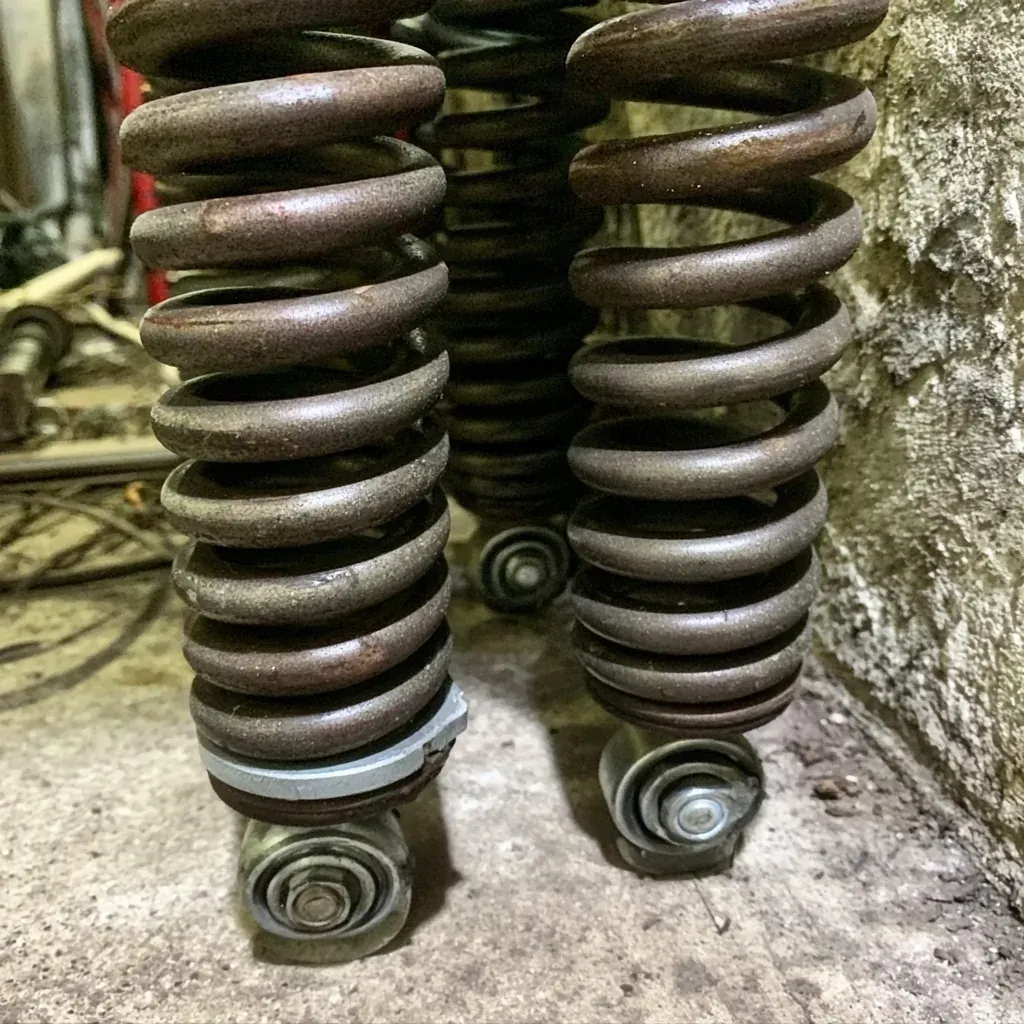
Approval paperwork is not the only delay a covenant can cause. Getting a new spring rated correctly matters too, because the wrong tension leaves a door heavy enough to strain an opener within a season, well before any style question ever reaches a board.
Road Salt Working Up From the Floor
- Material
- Cedar or hemlock cut and joined stile and rail, real lumber rather than a steel skin printed to look like wood.
- Weight
- A wood door on an attached Fishers garage swells in humid summers and shrinks come January, so stile and rail joints work loose faster than steel ever would.
- Upkeep
- Cedar and hemlock both need marine varnish or exterior stain reapplied on a set schedule, not a one-time paint job, or the grain starts checking and rot follows.
- Weak point
- Bottom rail rot from snowmelt and road salt splashing up off the driveway, and joint swelling after a wet spring.
- Best fit
- A front-facing door on a street in Sunblest or Britton Ridge where the look matters more than low upkeep.
- Freeze Behavior
- Fishers winters dry and shrink the wood, and a spring thaw swells it back up as meltwater and humidity return. That repeated cycle, more than any single cold snap, is what works a finish loose and opens the door to rot at the joints.
- Usual Range
- an estimated $899–$4500
Rust Climbs the Door, It Does Not Fall On It
Showrooms along 116th Street and near Fishers District often lead with the steel version because it is cheaper and has nothing to refinish. Ask for wood at a Sunblest or Ridgefield address and expect a quote for genuine stile-and-rail cedar or hemlock, not the embossed steel look-alike, which belongs on a separate page entirely. Dealers near Crosspoint Boulevard and Castleton Square tend to show the steel version first, since it costs less and needs no upkeep. A homeowner asking for wood at Fishers High School's neighborhoods often walks in wanting the look and walks out with the steel copy instead.
HOA Approval Before a Replacement Door Ships
Bringing a grayed door back starts with sanding down to bare wood, then rebuilding the finish in thin coats until it seals the grain again. Skipping straight to a heavy top coat over old, checked wood traps moisture underneath instead of keeping it out.
A soft rail or a bottom stile gone dark and spongy near Fall Creek or Geist Reservoir doesn't get patched. The damaged length is cut free and a new piece is spliced in, since anything painted over soft wood just hides the rot until the panel fails.
A garage door works twice a day at minimum, more on a commuting morning, and every one of those cycles depends on springs holding their tension and rollers turning freely. Cold snaps make steel brittle and grease stiff at the same time, so the parts most likely to fail do it in the same season, often the same week.
FORCE SETTING DRIFT AND WHY A STRAINING OPENER NEEDS RECHECKING
| What Gets Done |
What's Happening |
|---|
| A slow-closing door in January usually isn't the opener giving up. Cold grease stops flowing the way it should, rollers drag against thickened lubricant, and the motor pulls harder current to move the same weight. That extra strain is what wears out gears and capacitors well ahead of schedule. | Freeze and thaw cycles work a different kind of grit into rollers and hinges than dust ever could. Meltwater carries road salt off the slab into the track, then refreezes overnight and locks grit against the metal. Sealed bearings and heavier-gauge hardware shrug off that abrasion instead of wearing thin from it. |
| Meltwater running off the roof in the afternoon has nowhere to go but the slab, and it sits there until the temperature drops again overnight, gluing the weight of the door to the concrete before the first cycle of the day. | A garage door built for one climate keeps behaving that way even after decades of freeze and thaw. Steel spring wire stiffens and cracks, seals lose their grip on cold slab concrete, and lubricant thickens until rollers drag instead of turning. Panel skins and hardware near the floor take the slowest, quietest damage of all. |
| Steel spring wire loses give as it gets cold, so the same lift that was routine in July can snap coils outright once temperatures drop hard. Add a winter's worth of stiff, unresponsive grease in the rollers and an aging spring is carrying load it was never rated for. | Grease that lubricates fine in July can turn sluggish once temperatures drop, and rollers start dragging against tracks that used to move quietly. The opener compensates by pulling more current to lift the same weight, and that extra strain is usually the first sign something upstream needs attention. |
Where The Rule SitsA wood garage door in Fishers is usually built stile and rail from cedar or hemlock rather than stamped from a sheet like steel. Replacing one in the same opening generally does not involve a permit, but ask the City of Fishers directly, since that call is theirs.
How Cold Grease Fools An Opener
Fishers runs about 63 degrees between January and July, and cedar and hemlock move with every swing. Stiles and rails swell tight in a wet spring, shrink and gap in a dry winter, and the repeated cycle is what cracks a finish and lets rot start at the bottom rail before anyone notices.
Why HOA Rules Change The Timeline
An owner willing to keep to a schedule can sand and reseal every few years, sooner on a door that takes direct afternoon sun off Allisonville Road, and check the stile and rail joints each fall before the first hard freeze sets them tight.
How a Commute Depends on One Working Door
The cedar or hemlock itself carries no health concern. The finish curing does, since it gives off fumes for a couple of days, and an attached garage near Britton Falls or Sweet Briar often shares ductwork or a doorway with living space, so that door stays open while it cures.
Get the spring checked before it snaps.
A guide figure for wood garage doors locally is an estimated $899 to $4500, which is a band rather than a quote. What is priced here is the hardware and the labor to fit it: springs, cables, rollers, hinges, the bottom seal, opener parts and panel repair. Damage to the building itself is quoted separately once somebody has actually looked at it, whether that is a jamb softened by years of meltwater or a slab edge spalled under the threshold. Find out the visit charge up front, and ask for the scope in writing. Full bands and what moves them are on the pricing guide, and the service that handles this is New Garage Door Installation.